



At its core, a closed-loop ecosystem is about designing systems where resources are reused, regenerated, and kept in circulation—rather than discarded. When it comes to organic material, keeping it onsite is one of the most impactful ways to reduce waste, lower emissions, and build healthier environments.
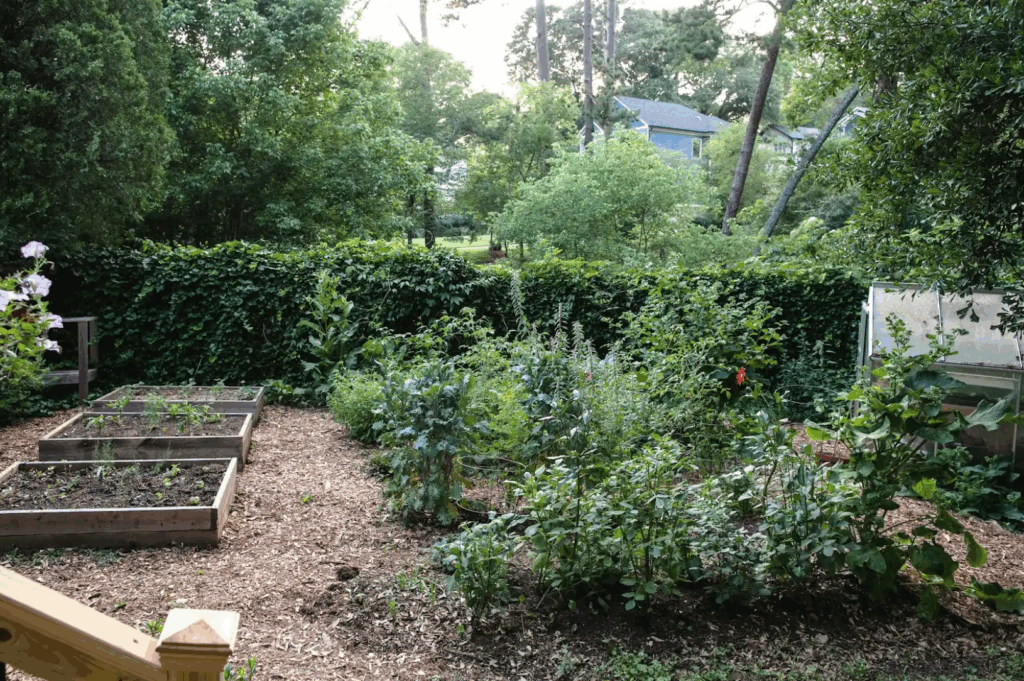
A closed-loop ecosystem mimics natural cycles. In nature, nothing is wasted—organic matter decomposes, nutrients return to the soil, and new life grows. Closed-loop systems apply this principle to human environments, big or small. Keeping chickens is a great example. Your kitchen scraps become their nutrients, their waste then nourishes the soil, and maybe you grow onions and carrots. You cook those vegetables and feed the stalks back to the chicken. The loop is forever a circle that’s self-nourishing and self-sustaining.
Instead of exporting organic waste (food scraps, yard trimmings, agricultural byproducts) to landfills or off-site processors, these materials are managed, processed, and reused where they are generated.
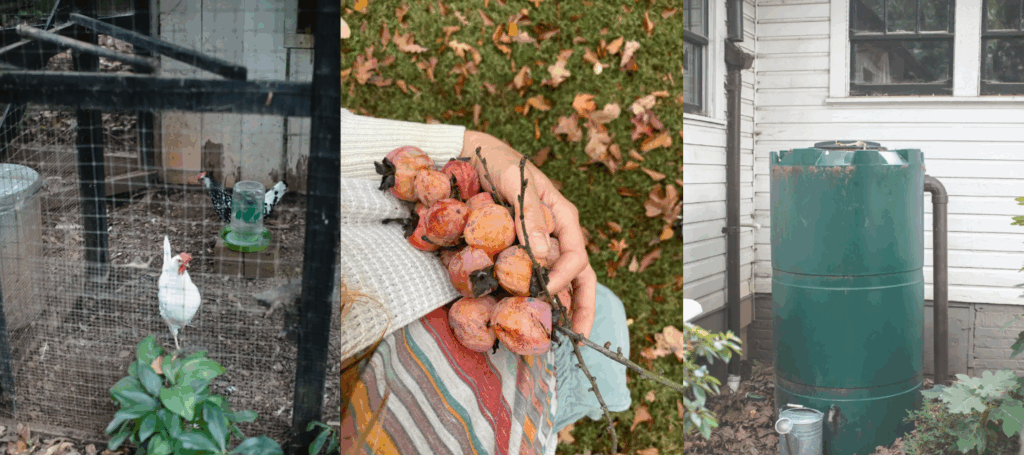
Organic waste is often overlooked, yet it represents a significant portion of landfill content. When organic material breaks down anaerobically in landfills, it produces methane—a potent greenhouse gas. Keeping organic material onsite addresses this issue while delivering multiple benefits:
- Reduced waste hauling and transportation emissions
Fewer trucks on the road mean lower fuel consumption, costs, and carbon emissions. - Improved soil health
Compost and other organic outputs enrich soil, improving water retention, nutrient density, and plant resilience. - Lower operational costs
On-site processing reduces fees, hauling expenses, and reliance on external soil amendments or fertilizers. - Greater system resilience
Closed-loop systems are less vulnerable to supply chain disruptions and rising disposal costs.
How Closed Loop Organic Systems Work
There are several practical ways to keep organic material onsite, depending on scale and context:
- Composting systems
Food scraps, landscaping waste, and biodegradable materials are composted and returned to gardens, green spaces, or those lovely chickens. - Anaerobic digestion
Organic waste is converted into biogas for energy, and the leftover material is reused as a nutrient-rich addition to the soil. - Mulching and soil regeneration
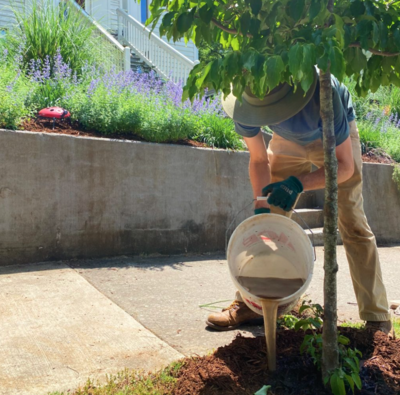
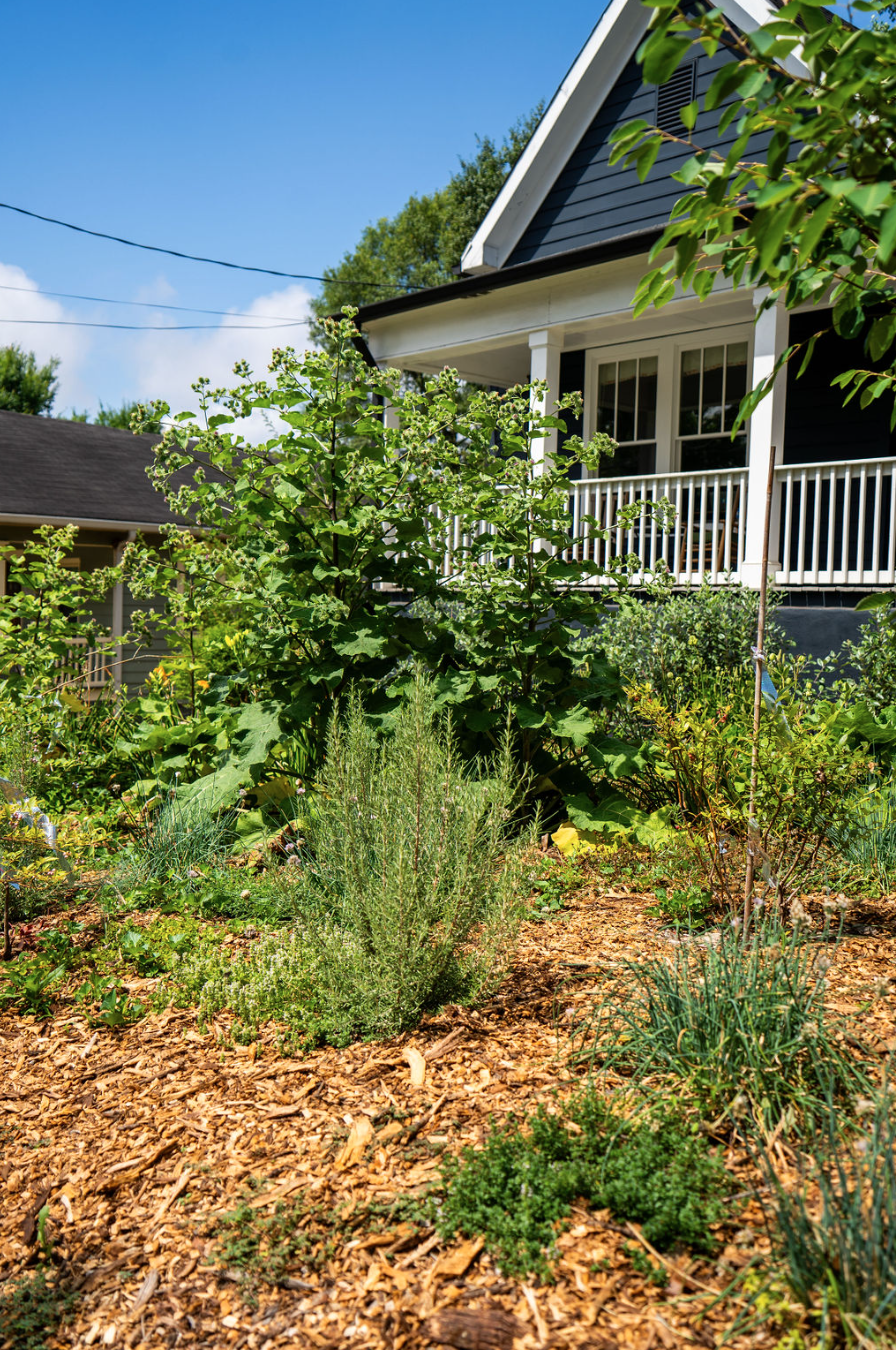
Tree trimmings, plant material, and leaves are chipped and reused as mulch, reducing erosion and water use. - Integrated landscape design
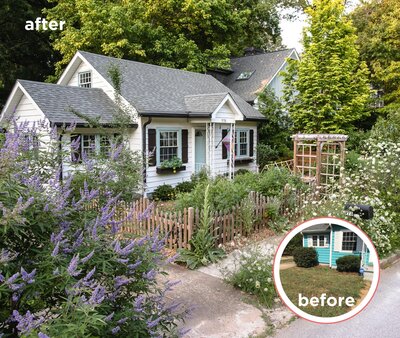
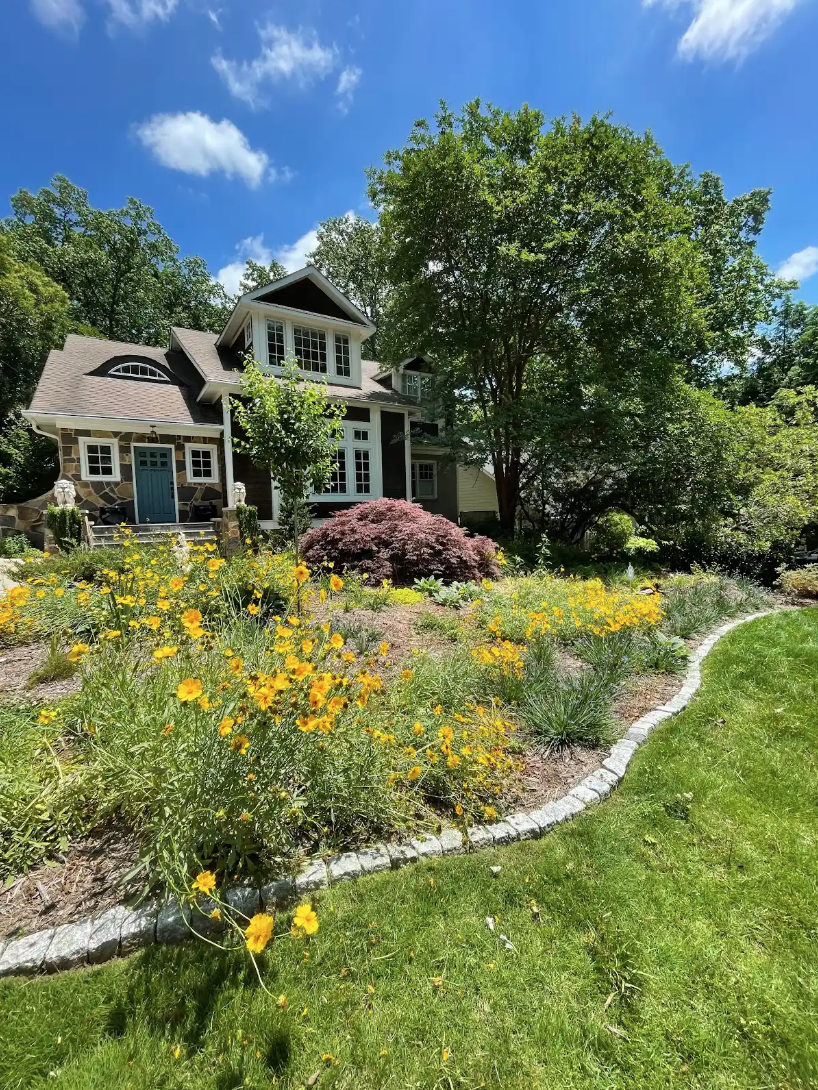
Landscapes are designed to absorb and reuse organic outputs, creating self-sustaining green spaces. This is where we often come in!
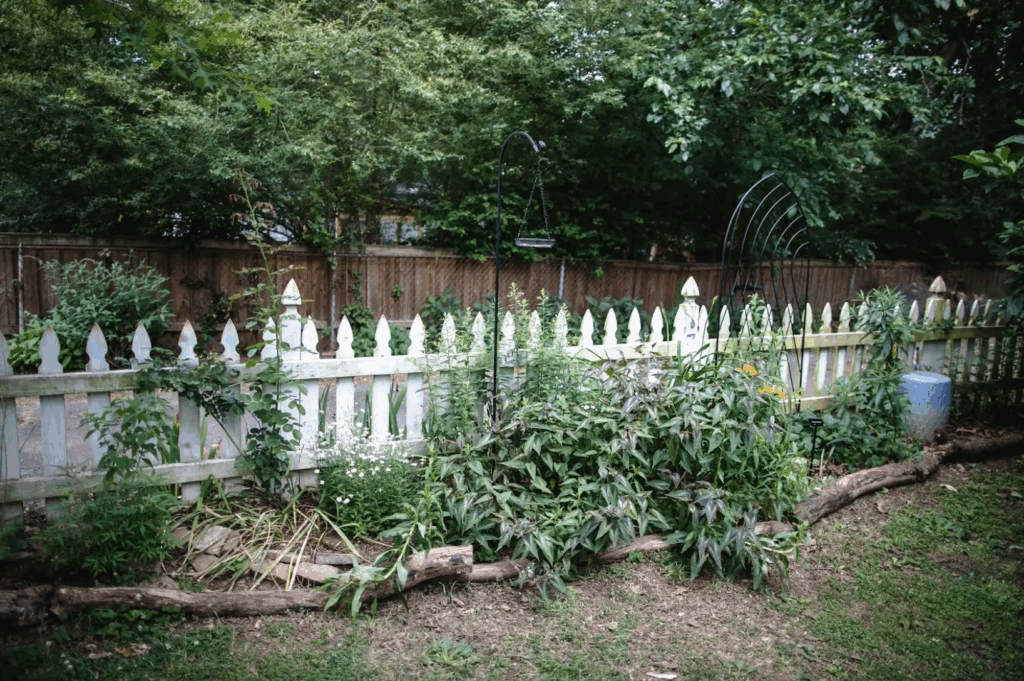
Applications Across Sectors
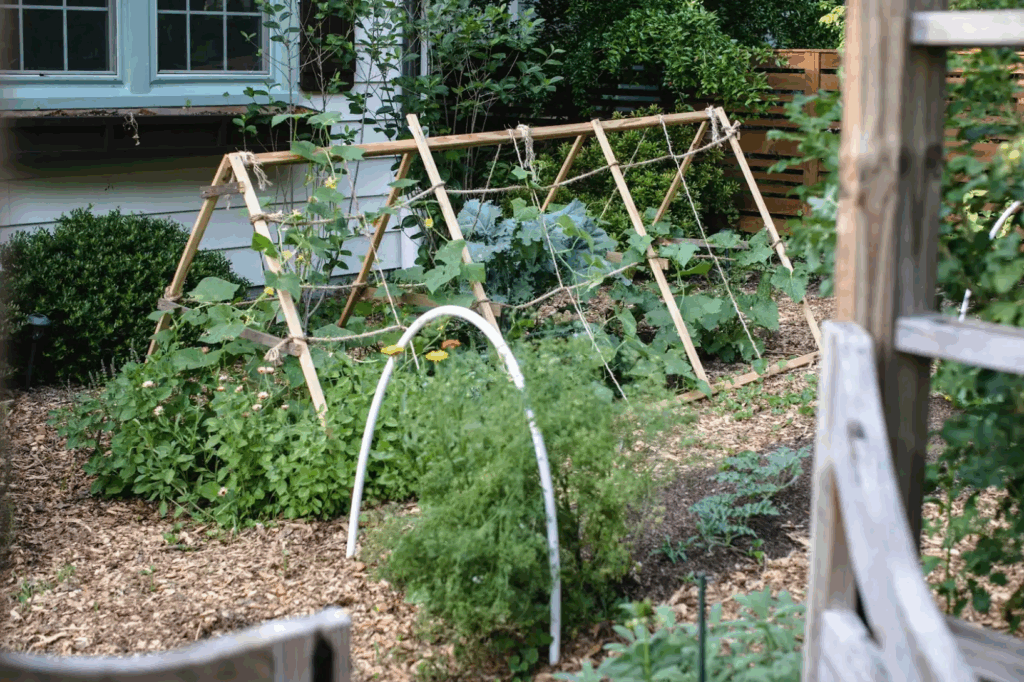
Closed-loop organic ecosystems can be implemented almost anywhere. We might most often see this playing out in regenerative farms and agriculture operations. They often use crop residue and manure to regenerate the soil. White Oak Pastures is a great example of this. These systems can also be applied to residential communities; through shared composting or community edible gardens, hospitality companies that turn their food waste into resources for their onsite gardening, and even corporate campuses fodling in their company identity with this more sustainable way of operating.
Creating a closed loop ecosystem isn’t just about infrastructure—it’s about mindset. It requires seeing organic material not as waste, but as a valuable resource. When systems are designed intentionally, what was once discarded becomes a driver of regeneration.
At Shades of Green Permaculture, we operate from a core belief: everything in an ecosystem has inherent value. When we help our clients shift their perspective, deepen their relationship, and design systems that honor this principle, the result is more resilient, sustainable, and ecologically diverse landscapes. Everything gardens.