



There’s something deeply comforting about planting food that doesn’t ask you to start over every year. You plant something once, tend it well, and it returns — stronger, deeper rooted, more generous with each passing season. This is the quiet magic of a perennial food forest.
At Shades of Green Permaculture, we often tell clients that a food forest isn’t just a garden design — it’s a restructuring of your relationship with the land and the passing seasons. And implementing a design that matures into something far more abundant than what you first planted.
What Is a Food Forest, Really?
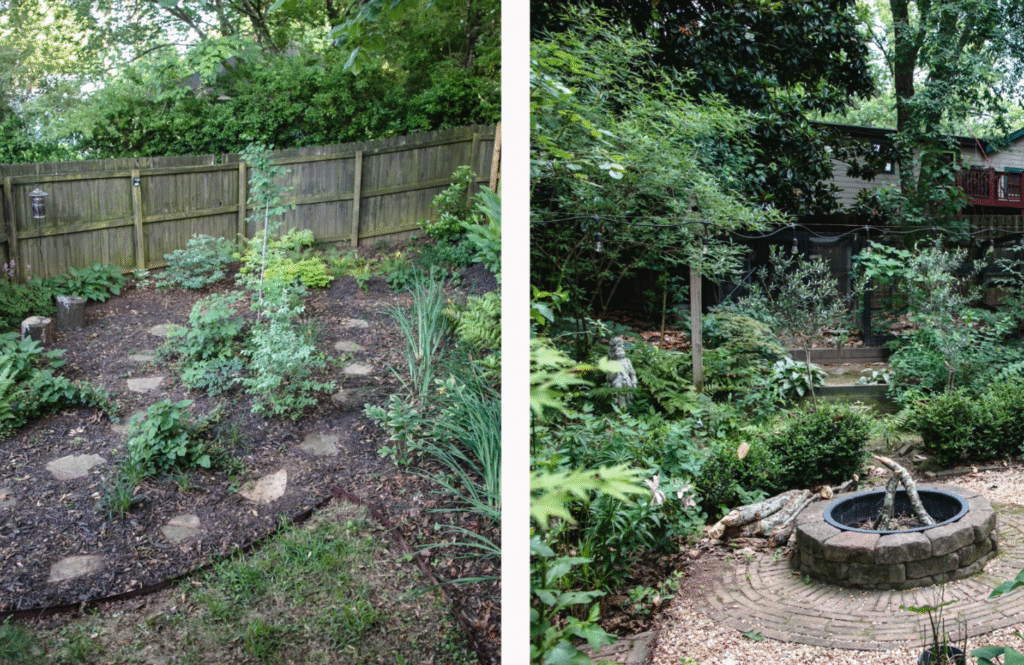
A food forest is a landscape designed to mimic the structure of a natural forest — but with edible and useful plants woven throughout. Instead of neat rows of annual vegetables that need replanting each season, you create layers that work together the way nature already does.
Tall fruit or nut trees form a canopy. Smaller understory trees live beneath them. Shrubs fill the middle space. Herbs and flowers soften the ground plane. Strawberries or clover stretch across the soil. Every layer has a job and every plant plays a role.
Over time, these relationships begin to support one another. Shade protects soil moisture. Falling leaves create mulch. Flowers attract pollinators. Deep roots pull nutrients up from below and the system becomes more self-sustaining each year.
It starts to feel less like managing a garden — and more like stewarding an ecosystem.
Why Choose Perennials?
Annual gardens can be beautiful and productive, but they require constant resetting, tilling, replanting, feeding, and starting again. Perennials are different.
They send roots deep into the soil, which makes them more drought-tolerant and resilient during unpredictable weather. They build soil structure rather than disrupting it. They create habitat for birds and beneficial insects, and perhaps most importantly, they compound in abundance.
A young fruit tree may give you a handful of apples at first, but in five or ten years, it gives you baskets. When we design perennial systems, we’re thinking beyond this season. We’re thinking about what your yard looks like in seven years, in fifteen, even generations.
The First Step: Slow Down and Observe
Before you plant anything, pause. One of the core principles of permaculture is observe and interact. That means letting your land speak first. Notice where the sun moves throughout the day. Where does frost linger? Where does water pool after heavy rain? Which corners feel dry and windy? What plants are already thriving without your help?
Your property already holds clues about what wants to grow there. The more attention you give in the beginning, the fewer corrections you’ll have to make later.
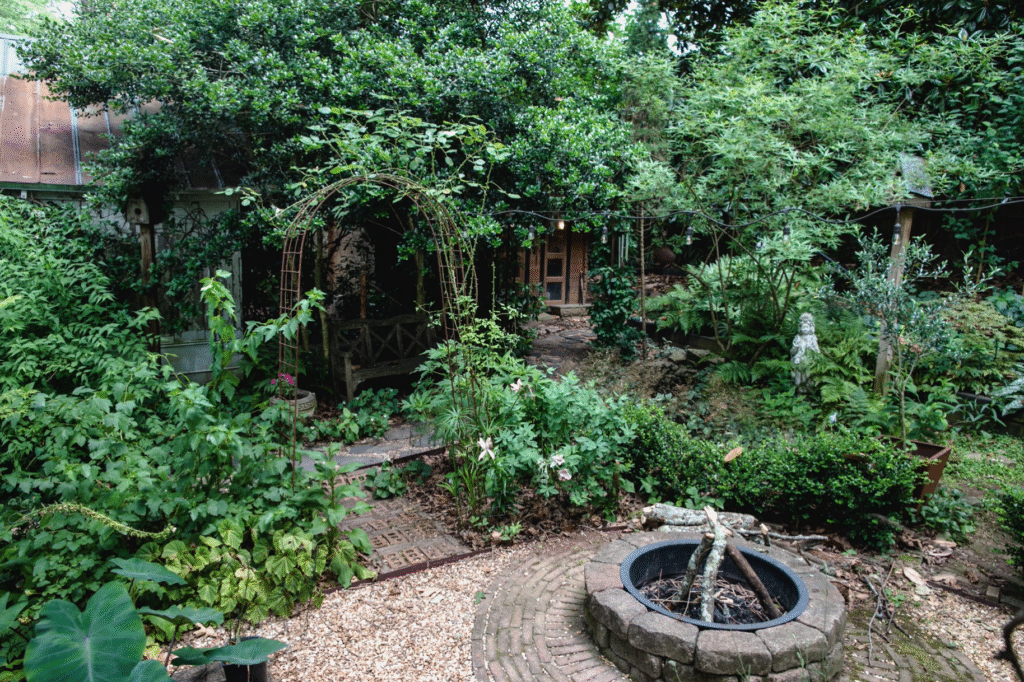
Start With Trees — Your Long-Term Anchors
Food forests begin with structure. And structure begins with trees.
Fruit and nut trees are often the backbone of the system. Apples, paw paws, plums, persimmons, figs, mulberries, serviceberry — what you choose will depend on your climate and soil. Native species are especially powerful allies, as they’re already adapted to your region.
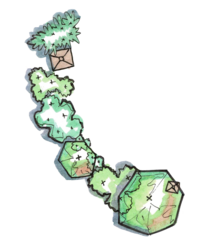
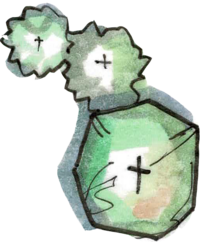
When planting trees, think about their mature size, not their current one. It’s easy to underestimate how wide a canopy will spread or how much shade it will eventually cast. Giving trees room to grow into their full expression is one of the greatest gifts you can offer your future food forest.
Once your canopy is in place, you can begin weaving in the layers beneath it.
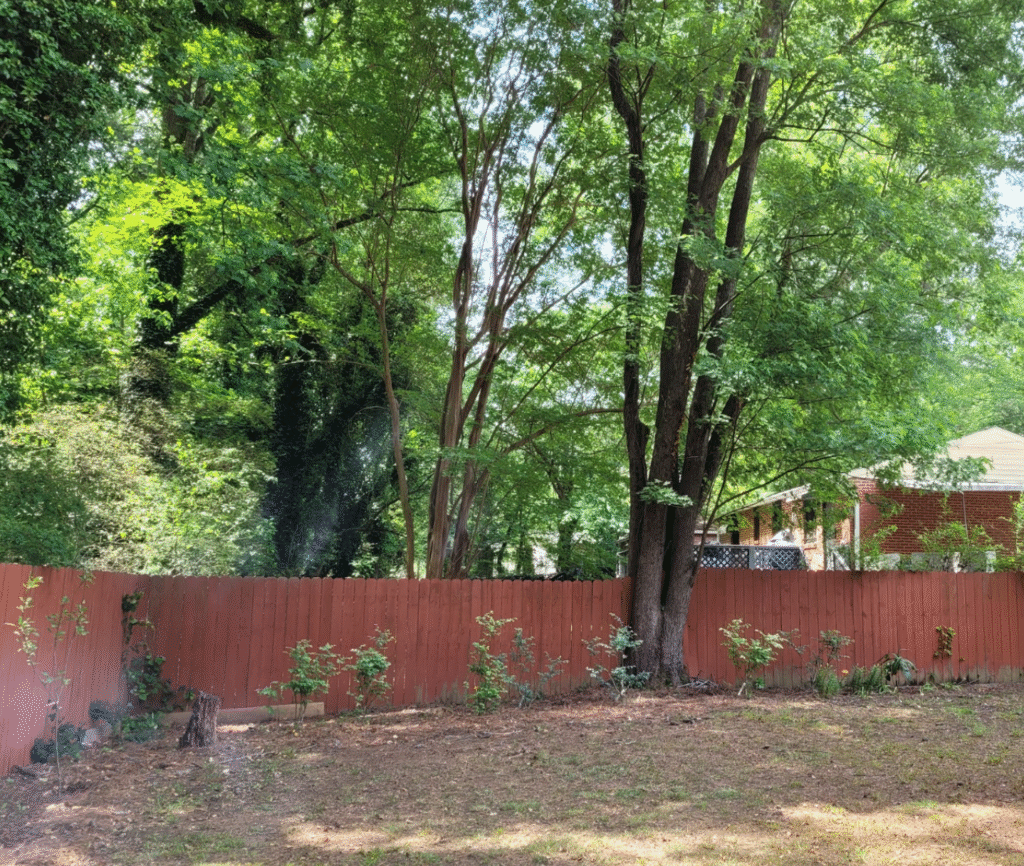
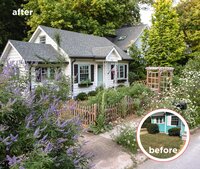
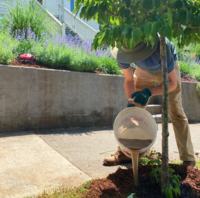
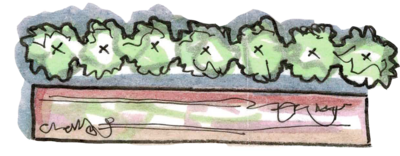
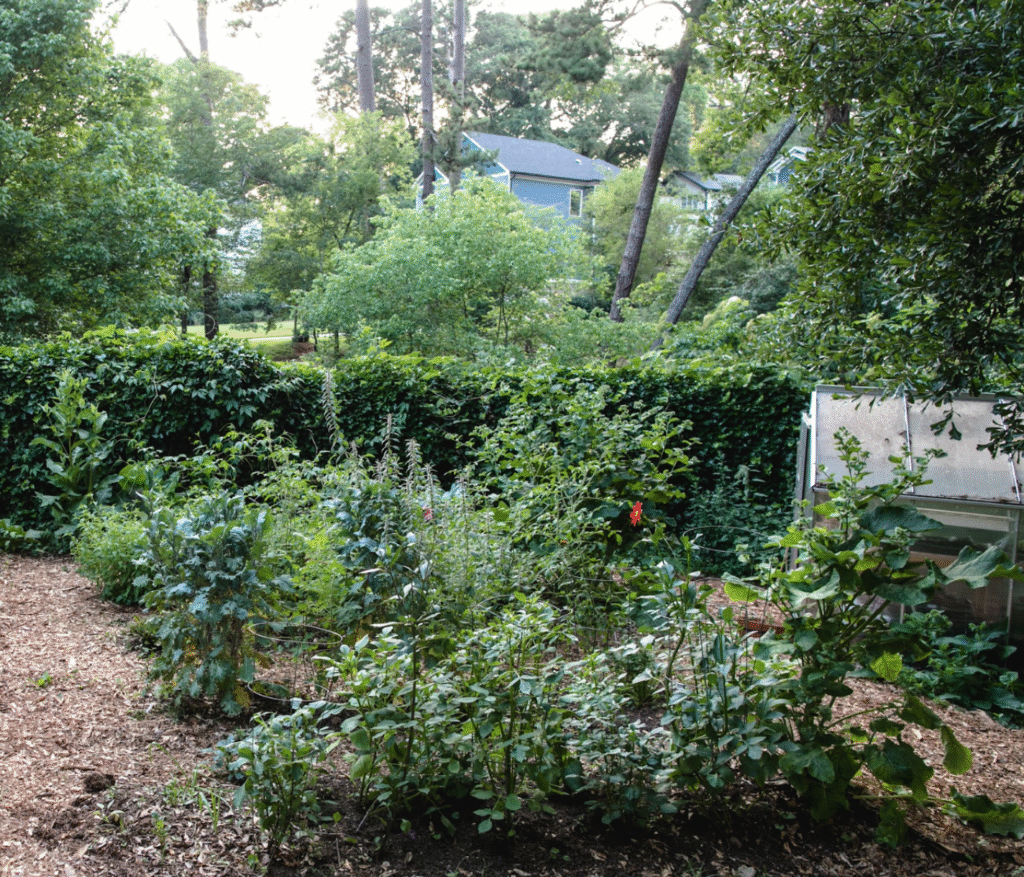
The very beginnings of a food forest. We planted native fruit trees along this client’s fence line.
Build the Layers Slowly and Intentionally
After your trees are established, start filling in around them.
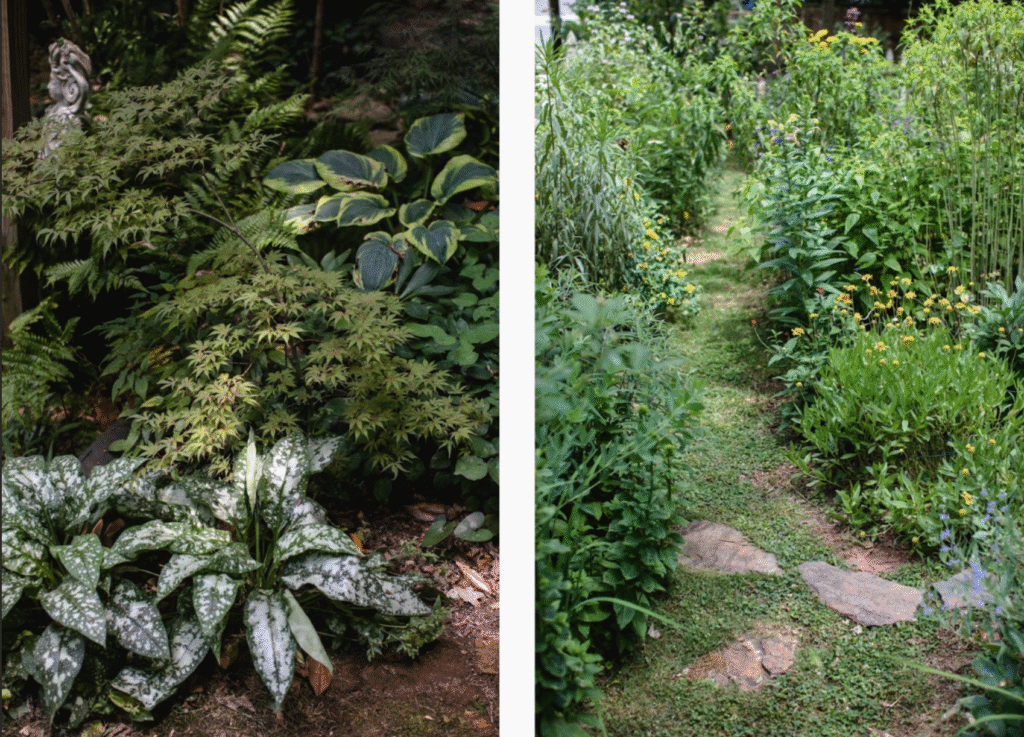
Shrubs like blueberries, elderberries, or beautyberry add a generous middle layer. Herbaceous plants such as comfrey, yarrow, lemon balm, or mint can attract pollinators and support soil health. Groundcovers like wild strawberry or clover protect the soil from erosion and suppress weeds naturally.
You don’t need to plant everything at once. In fact, it’s better if you don’t.
Start with one “guild” — a small community of plants centered around a single tree. Watch how they interact. Notice what thrives. Adjust as you go. A food forest is built in seasons, not weekends.
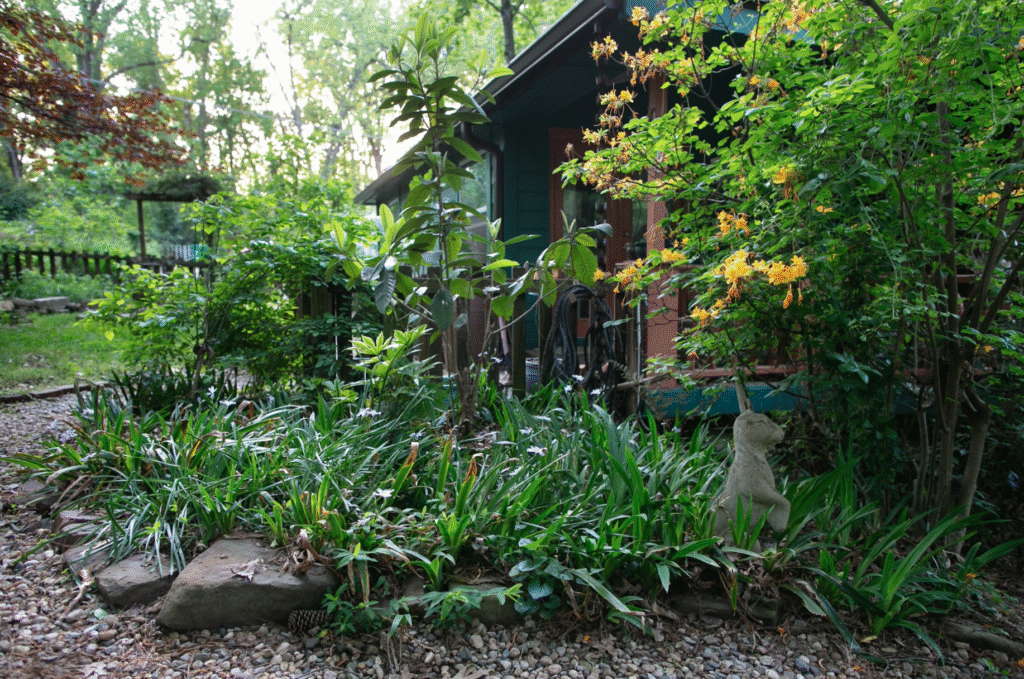
Feed the Soil and the Soil Feeds Everything Else
In perennial systems, soil health is everything.
Rather than relying on synthetic fertilizers, focus on building organic matter. Mulch generously with leaves or wood chips. Add compost when you can. Incorporate nitrogen-fixing plants. Let fallen leaves stay where they land.
Over time, your soil will darken. It will soften. It will hold moisture longer. Earthworms and fungi will return.
This is when the real transformation begins — not just above ground, but below it.
Be Patient With the Process
One of the hardest parts for beginners is adjusting expectations. A food forest is not an instant harvest.
The first year is about establishment. The next few years bring modest yields. Around year four or five, you start to see momentum. And after a decade, you may find yourself standing inside something that feels almost wild — in the best possible way.
There is a rhythm to perennial systems. They reward patience.
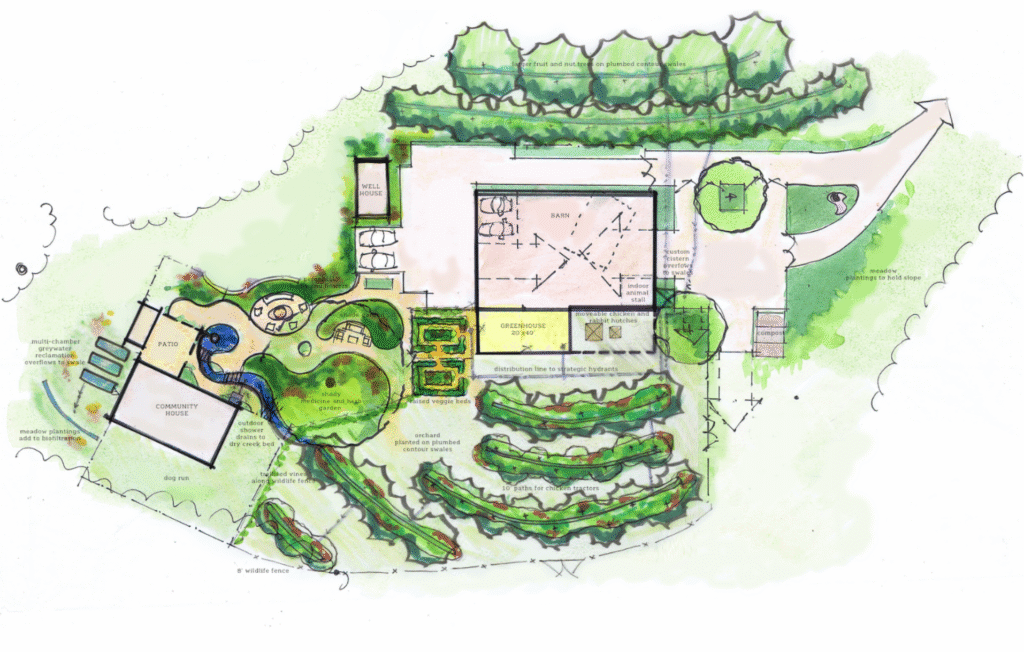
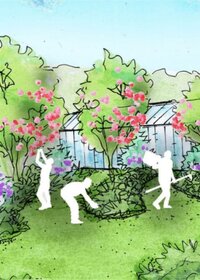
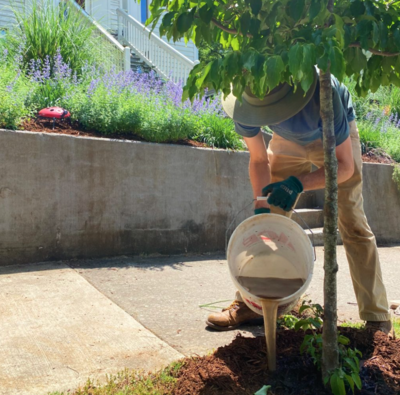
Regenerative design for a home orchard.
Start Where You Are
You don’t need acreage. You don’t need perfection. You don’t need to rip out your entire yard.
Start with one tree. Or convert one corner. Or replace a patch of lawn with berries and herbs.
Every perennial planted is a small act of resilience. A vote for long-term thinking. A quiet shift toward abundance.
At Shades of Green Permaculture, we believe food forests are more than landscapes. They are living reminders that regeneration is possible — in soil, in communities, and in ourselves.
Plant something that will outlive this season.
And then let it teach you what growing slowly really means. 🌿