



When the growing season starts to wind down, it’s tempting to think our work in the garden is finished. But fall is actually one of the most important times to tend to the health of your soil, manage weeds, prepare for pests, and set your garden up for a productive—and much less stressful—spring.
Rather than waiting until the first warm days of spring to tackle an overgrown garden bed, fall gives us an opportunity to slow down, observe, and work with the natural rhythms of the landscape. A little thoughtful preparation now can mean healthier soil, fewer weeds, stronger plants, and less work for you later.
Here’s our fall garden checklist for setting yourself—and your garden—up for success.

Start by Observing
Before you pull, prune, or clean anything, take a moment to look closely at your garden.
What worked this year? What didn’t? Where did weeds thrive? Where did water collect—or disappear too quickly? Did you notice disease or pest pressure? Which plants were particularly resilient? The garden is always giving us information. Fall is a wonderful time to pay attention to it.
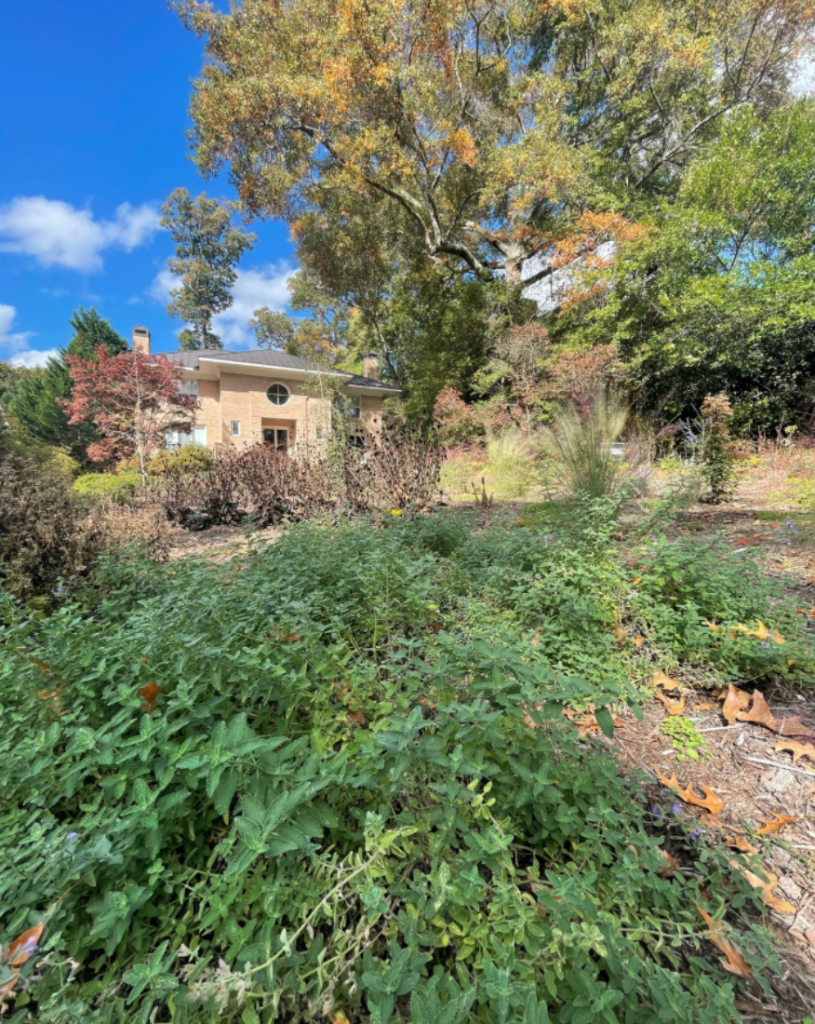
Start by removing plants that are diseased or heavily infested with pests, but don’t feel like everything needs to be cleared to the ground. Some stems and seed heads provide valuable food and habitat for birds and beneficial insects through the winter.
Keep the Soil Covered
One of the most important things you can do for your garden over winter is also one of the simplest: Don’t leave your soil bare.
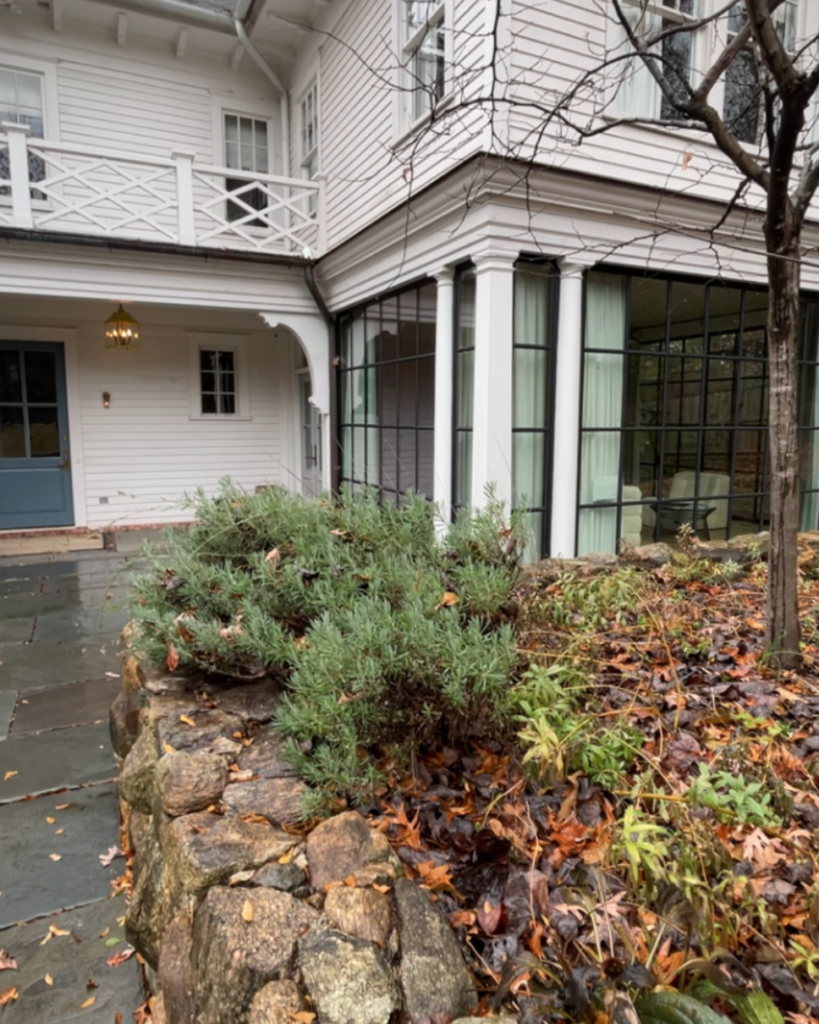
Bare soil is vulnerable to erosion, compaction, drying, and temperature extremes. In nature, exposed soil doesn’t stay exposed for long. Plants move in. You can mimic that process in your garden through mulch and cover crops.
Organic mulch—such as shredded leaves, straw, or finished compost—protects the soil surface while slowly adding organic matter as it breaks down. A layer of mulch can also suppress unwanted plants and help maintain more consistent soil moisture.
Fall is also a great time to consider cover crops such as clover or rye. Cover crops protect the soil, compete with weeds, contribute organic matter, and can support soil biology while your garden beds are resting. Instead of thinking of winter as a dormant season, think of it as a season of soil building.

Use Your Leaves
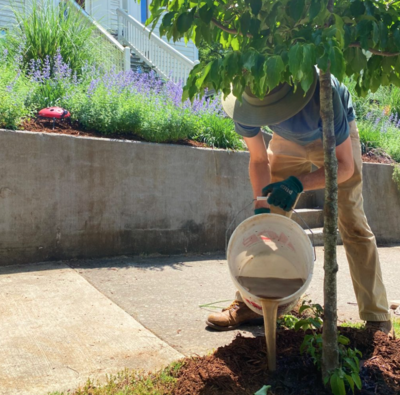
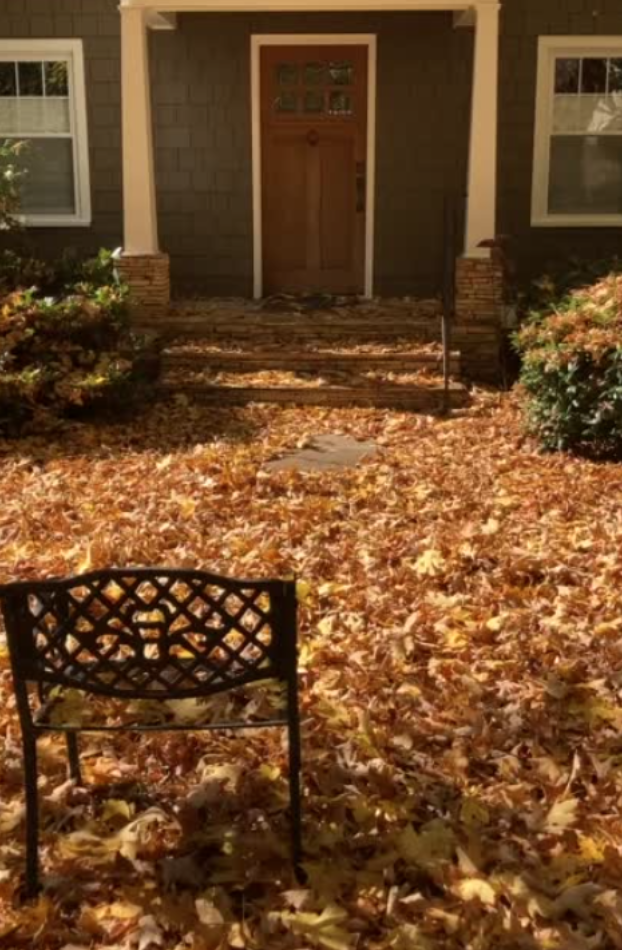
If there’s one fall gardening resource we want you to stop throwing away, it’s leaves. Leaves are free organic matter that your landscape has already produced for you. Rather than bagging them and sending them away, shred them with a mower or leaf shredder and use them as mulch around garden beds, trees, and perennial plants. You can also add them to your compost system. This is one of the simplest ways to return nutrients and carbon to the soil while reducing the need to bring in outside inputs.
Manage Weeds Before Spring
If you’re hoping for fewer weeds next spring, fall is the time to get ahead of them. Start by addressing weeds before they have an opportunity to drop more seed. Hand-pulling or digging can be effective for smaller areas, particularly when the soil is moist. Then, rather than relying solely on repeated removal, think about why the weeds are there in the first place.
Bare soil is an invitation. If you’re constantly battling weeds in a particular area, consider whether that space could be planted, mulched, covered, or redesigned. Permanent garden paths can also help define where plants are—and aren’t—supposed to grow, reducing unnecessary disturbance throughout your beds.
For particularly persistent areas, cardboard covered with a thick layer of organic mulch can be an effective way to suppress existing vegetation and create a new planting area. The most regenerative weed management strategy isn’t necessarily to become better at pulling weeds.It’s to create conditions where fewer weeds need to be pulled.
Build Healthy Soil for Spring
Healthy plants begin with healthy soil. Soil is a living ecosystem filled with fungi, bacteria, insects, worms, organic matter, air, and water. When we care for that ecosystem, we create conditions where plants can develop stronger roots and become more resilient to stress.
Fall is a great time to add organic matter through compost and mulch. Rather than reaching immediately for synthetic fertilizers, consider what your soil actually needs. A soil test can help you understand nutrient levels and pH so you’re making informed amendments rather than guessing. Cover crops can also play an important role. Legumes such as clover can contribute nitrogen to the system, while grasses and grains can produce biomass and protect the soil.
Think About Pests Before They Arrive
As you prepare your garden for winter, inspect plants for signs of disease or pest pressure and remove heavily affected material when appropriate. At the same time, avoid removing every bit of habitat. Many beneficial insects overwinter in leaf litter, hollow stems, and undisturbed areas. This is another place where our idea of a “clean” garden can work against us.
Ask: How can I create a garden where beneficial organisms have what they need to keep the system in balance? Native plants, perennial plantings, flowering plants, leaf litter, and diverse layers of vegetation all contribute to that balance.
Don’t Forget Water
Fall is also a good time to take a look at your irrigation system.
Inspect lines and emitters for damage, clean filters, and make any necessary repairs before spring arrives. In colder climates, systems may need to be drained and winterized, while here in the Southeast, the approach is different—but maintenance is still important.
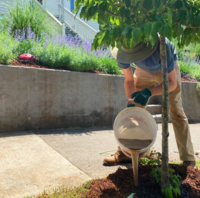
Evergreen plants and newly planted trees and shrubs may still need supplemental water during dry periods. Deep, appropriate watering can help establish strong root systems while avoiding the disease and shallow-root problems associated with frequent, shallow irrigation.
Plant for Spring
Fall isn’t just about cleaning up. It’s also planting season. Depending on your climate and garden, fall can be the perfect time to plant crops such as garlic, spinach, onions, and other cool-season vegetables. Perennials, shrubs, and trees can also benefit from fall planting because they have time to establish roots before the heat of summer arrives. And this is where thoughtful garden planning comes in.
Instead of simply filling empty spaces, consider the layers of your garden: A productive garden isn’t simply a collection of plants. It’s a community.
Your Fall Garden, Reimagined
Fall gardening isn’t about putting the garden to bed. It’s about putting the garden in a position to thrive.
It’s about protecting soil rather than exposing it. Returning organic matter rather than exporting it. Creating habitat rather than clearing everything away. Observing problems rather than simply treating symptoms. And perhaps most importantly, it’s about recognizing that the garden doesn’t stop working when we stop harvesting.