



The Dangers of Pesticides
Walk into any garden center, and you’ll find aisle after aisle of products promising quick solutions to pest problems. A spray for aphids. A dust for ants. A treatment for caterpillars. The message is simple: identify the pest, eliminate it, and your garden will thrive, but nature is rarely that simple.
At Shades of Green Permaculture, we view pests through a different lens. Rather than asking, “How do I kill this?” we ask, “Why is this happening?” and “What is this creature trying to tell me about the health of my ecosystem?” When we reach for pesticides, we often solve one problem while creating several more.
Pesticides Disrupt the Food Web
One of the greatest dangers of pesticides is that they rarely target only the organism we are trying to control.
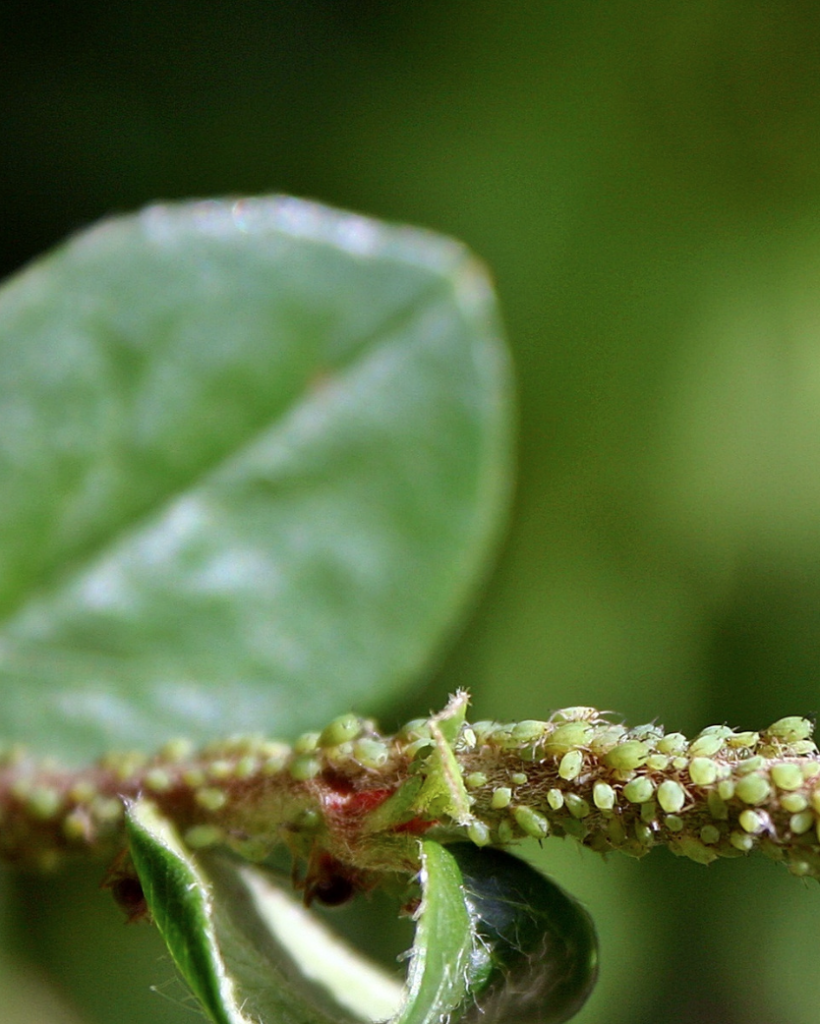
A pesticide sprayed to eliminate aphids may also harm hoverflies, lacewings, ladybugs, native bees, butterflies, and countless other beneficial insects. These creatures are not incidental visitors to our landscapes—they are essential participants in the food web.
Many beneficial insects rely on pest species as a food source. Ladybug larvae consume aphids. Birds feed caterpillars to their young. Predatory wasps help regulate spider and insect populations. When pesticides remove both the prey and the predators, we weaken the natural systems that keep populations in balance.
The result is often a cycle of dependence, where each new outbreak requires another application. A decline in insects means less food for birds. Fewer pollinators means reduced fruit and seed production. Less biodiversity creates landscapes that are more vulnerable to future pest outbreaks, disease, and environmental stress. Nature thrives on relationships and pesticides sever them.


They Can Harm Soil Health
Healthy soil is a living community made up of fungi, bacteria, earthworms, insects, and countless microorganisms working together beneath our feet. Many pesticides don’t remain where they are applied and end up moving into the soil, where they affect organisms responsible for nutrient cycling, decomposition, and soil structure. When these underground communities are disrupted, soil becomes less resilient. Plants may become more dependent on fertilizers, more susceptible to disease, and less able to withstand drought and environmental stress. A thriving garden begins with thriving soil. Anything that compromises soil life ultimately compromises the health of the entire landscape.
Pesticides Can Create More Pest Problems
It seems counterintuitive, but pesticides can actually contribute to future pest outbreaks.
When natural predators are removed, pest populations can rebound faster than the beneficial insects that once kept them in check. Some species even develop resistance over time, requiring stronger products or more frequent applications to achieve the same result. This creates a cycle where intervention becomes increasingly necessary because the ecosystem has lost its ability to self-regulate.
Nature has spent millions of years developing checks and balances. Pesticides often dismantle those systems faster than they can recover.

Human and Environmental Impacts
Beyond the garden, pesticides can impact waterways, wildlife, pets, and people. Rain can carry chemical residues into streams and rivers, where they affect aquatic life. Pollinators may encounter contaminated pollen and nectar, and children or pets playing in treated areas may come into contact with residues left behind. As many of you may remember, my own family’s experience with pesticides is what first opened my eyes to the interconnectedness of human and ecological health. My mother and stepfather developed severe sensitivities to the herbicides, fungicides, and pesticides they used on their farm. Over time, my stepfather became confined to a wheelchair, and my mother suffered anaphylactic reactions from exposure. We eventually left the farm and spent seven years focusing on detoxification and healing. That chapter of my life changed everything and ultimately led me to the work I do today.
While products are often marketed as safe when used according to instructions, their cumulative impact across neighborhoods, watersheds, and ecosystems deserves consideration. Every choice we make in our landscape extends beyond our property lines and the confines of the plant.
A Different Way Forward
Permaculture teaches us that the problem is often the solution. Aphids may indicate plants receiving excess nitrogen. Compacted soils may invite certain pioneer species. An overabundance of one insect may point to a lack of predators or insufficient biodiversity.
Rather than asking how to eliminate a pest, we can ask:
- What is this organism’s role in the ecosystem?
- What conditions allowed this population to flourish?
- What eats it?
- What can I plant to support its predators?
- How can I increase diversity and resilience in my landscape?
When we approach our gardens with curiosity instead of control, we often discover that the healthiest landscapes are not the ones with the fewest insects. They are the ones where all life forms exist in balance.
The goal isn’t a pest-free garden. The goal is a living, resilient ecosystem capable of regulating itself. And that begins by understanding that every spray has consequences, while every relationship in nature has value.
If you’re struggling with pests in your landscape, we’d love to help you uncover the root cause. At Shades of Green Permaculture, we design ecosystems that work with nature—not against it—to create healthier, more resilient landscapes. Reach out at info@shadesofgreenpermaculture.com or book a free call!